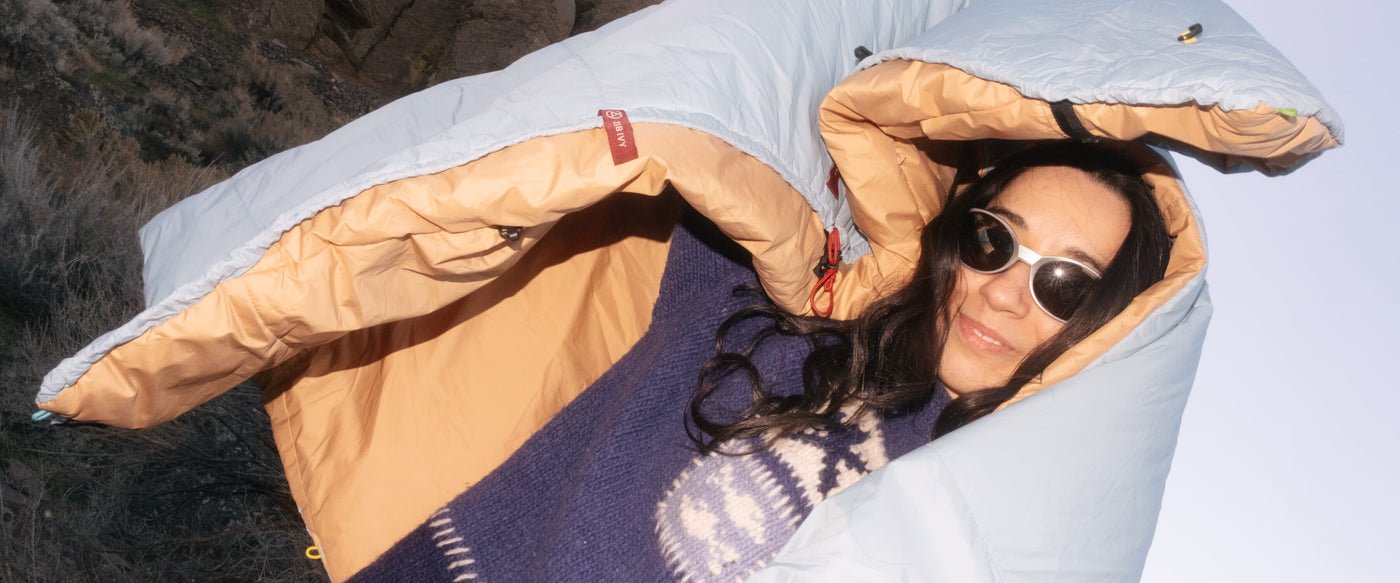
Fabrics: Quilts & Sheets
-

Pertex® Quantum (10D)
Unlike fully-calendared ultralight fabrics that are tacky to the touch, Pertex® Quantum uses fine yarns tightly woven together with calendaring on only one side, making it downproof and windproof while maintaining a soft fabric feel. The small ripstop grid adds strength and slight texture.
-
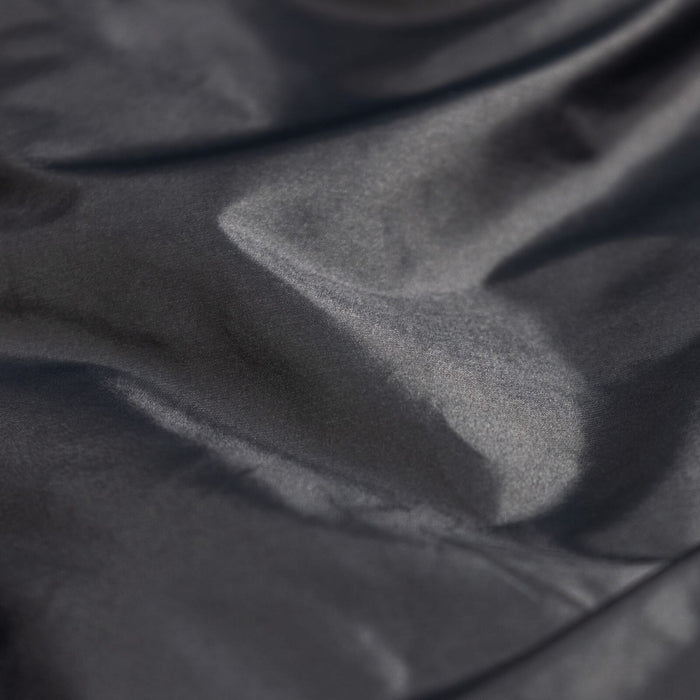
Nylon Taffeta (15D, 20D)
Nylon Taffeta makes a great shell fabric. It's softer than a more traditional ultralight fabric while being only a fraction heavier. Nylon is buttery-smooth, comfortable, durable, and worth the minuscule weight penalty.
-
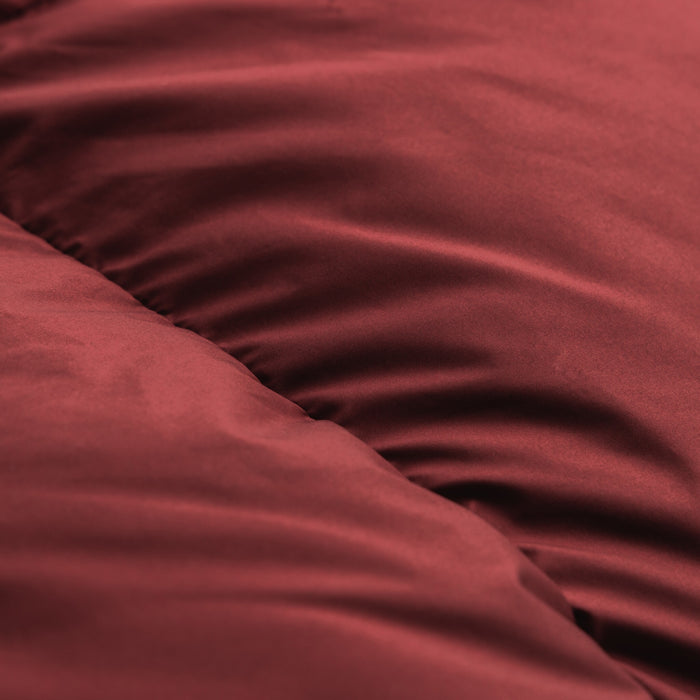
Polyester Pongee (25D, 50D)
Our legendary Pongee fabric is pure luxury. This innovative fabric features a slub weave that creates a subtle texture and familiar smooth feel of your favorite bedsheets while maintaining the technical performance required for outdoor adventures.


What is denier?
Denier (D) measures the thickness of the fibers used in a fabric.
- Higher denier fabrics use thicker fibers, which generally makes them more durable but slightly heavier.
- Lower denier fabrics use finer fibers, making them lighter but a little more delicate.
Which is softer, you ask? While lower denier fabrics are often assumed to be softer, denier measures fiber thickness, not softness. Softness depends on the fiber, weave, and finish, which is why our 50D Pongee feels even softer and more bed-like than our 25D Pongee—though both are exceptionally comfortable.
Understanding denier helps you balance weight, durability, and comfort when choosing the right gear.
Scroll Through All Fills
-

Ultrasonic Muscovy™ (950+ FP, 750+ FP)
The pinnacle of natural performance, Ultrasonic Muscovy™ from SOFTIE delivers uncompromised loft, durability, and stability. Washed using a patented Ultrasonic Washing process, it exceeds industry standards of cleanliness and preserves the down’s pure, additive-free loft for long-term performance.
-

ExpeDRY™ Goose (900+ FP)
ExpeDRY™ Goose Down combines the proven performance of goose down with next-generation water-resistant technology. A chemical-free treatment helps it stay drier and dry up to 50% faster. Ideal for those who prefer goose down or are sensitive to duck, it delivers premium, time-tested performance.
-

ExpeDRY™ Muscovy (900+ FP)
ExpeDRY™ Muscovy from ALLIED Feather + Down combines the unmatched loft and durability of Muscovy down with next-generation, water-resistant technology. Using a chemical-free bonding of non-toxic gold particles, ExpeDRY™ accelerates evaporation so insulation stays drier and dries up to 50% faster than traditional chemically-treated downs.
-

HyperDRY™ Down (800+ FP)
Built for performance, our premium 800FP HyperDRY™ down from ALLIED Feather + Down uses a natural wax-based compound to make it water-resistant. It is durable, fluorocarbon-free, and RDS (Responsible Down Standard) compliant.
-
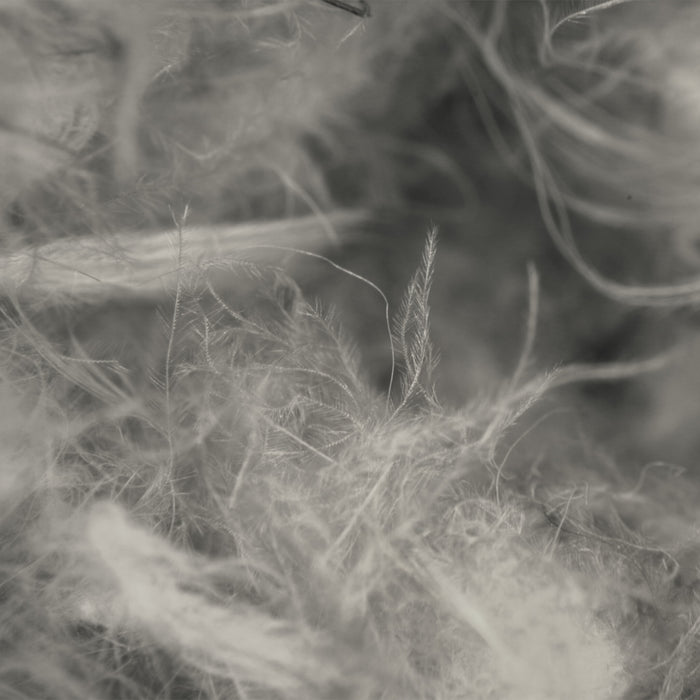
650+ FP Down
Our premium 650+ FP down is RDS (Responsible Down Standard) compliant and provides the best bang for your buck.
-

PrimaLoft® Synthetic (Gold, Black)
The benchmark in synthetic performance, PrimaLoft® insulation is engineered from ultra-fine fibers to mimic the warmth and compressibility of down. Soft, lightweight, and remarkably durable, it delivers reliable warmth and comfort through years of adventure.
-
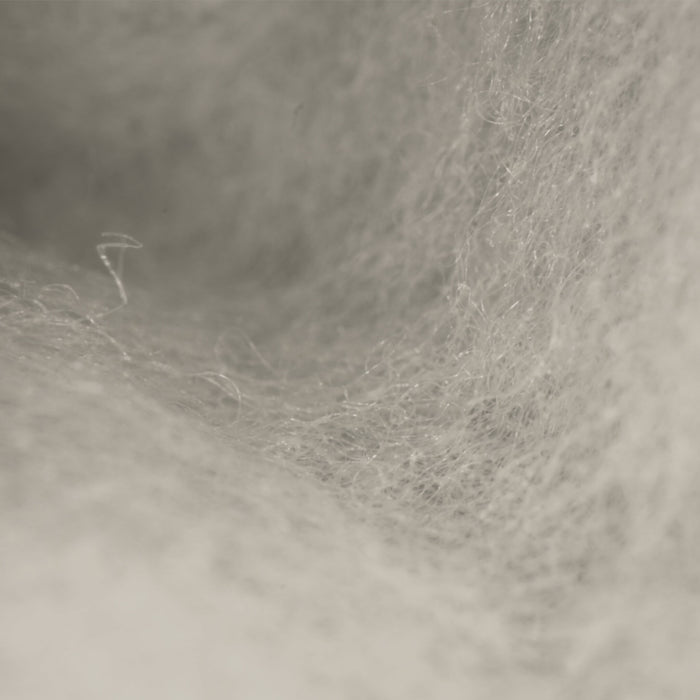
Synthetic
Built for warmer nights, tighter budgets, and personal preferences, we've used a polyester synthetic blend that's as soft as it gets. So soft in fact that you'll swear it's down!


Fill-Power Explained
Fill-power (FP) measures the quality of down by the size of its clusters. Larger clusters (i.e. higher fill-powers) trap more air, providing more warmth for less weight.
Fill-power specifically refers to how many cubic inches one ounce of down can loft. For example, 700 fill-power down expands to 700 cubic inches per ounce, meaning less down is needed to achieve the same warmth compared to lower fill-power down.
Down is commonly grouped into three categories:
- 550–650FP: High-quality—durable down
- 650–750FP: Performance—excellent warmth-to-weight
- 750–900FP+: Premium—the lightest, warmest, and most compressible
Higher fill-power down offers the best warmth-to-weight ratio and packability, making it ideal for lightweight backpacking.
Fabrics: Mattresses
-
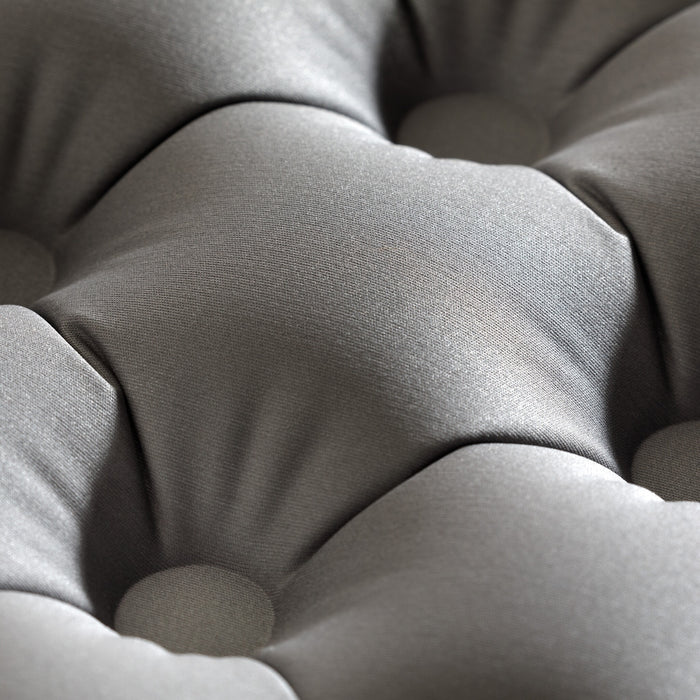
Flex™ 4-Way Stretch Knit
All other camp mattresses use tightly woven fabrics that do not stretch. These surfaces transfer weight across the mattress and can feel both stiff and “bouncy”. Our Flex™ mattresses feature an exclusive 4-way stretch fabric that forms instantly to your shape and movement, both minimizing weight transfer and relieving pressure points.
-
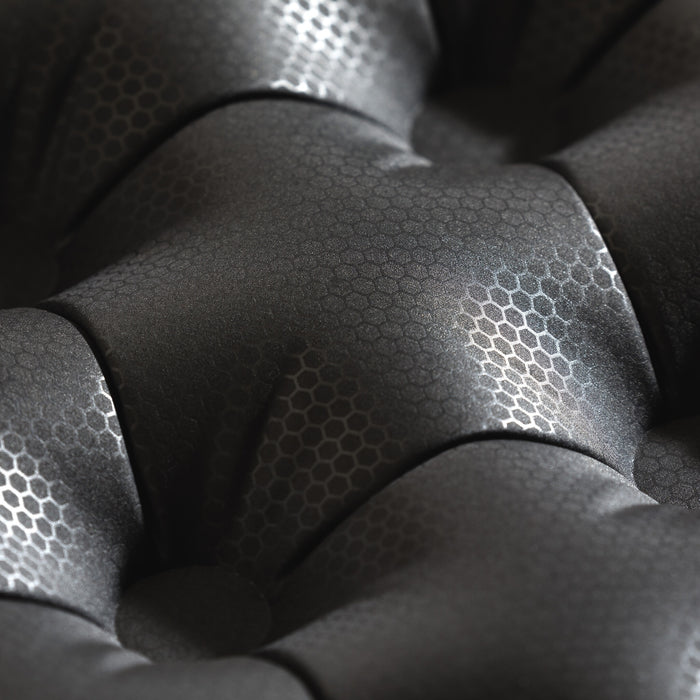
Embossed 20D Recycled Polyester Taffeta
Our embossed 20D Recycled Polyester Taffeta is laminated, not coated, making it stronger and more durable than other ultralight mattress fabrics.
-
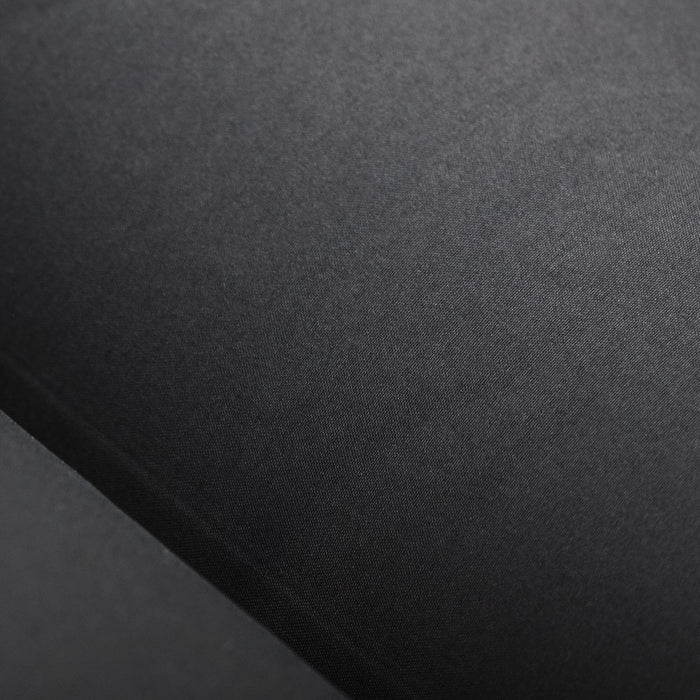
20D Polyester Taffeta
The soft 20D Polyester Taffeta shell is comfortable enough to sleep on directly while still being durable and lightweight, making it ideal for backcountry trips.
-
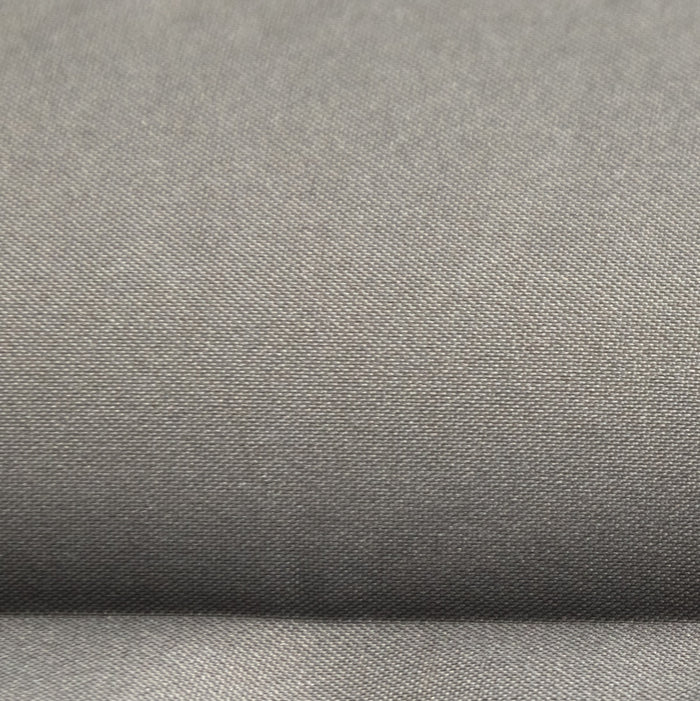
75D Polyester Taffeta
Our sturdy 75D Polyester Taffeta fabric gives you long-lasting durability in the outdoors.
Insulations: Mattresses
-
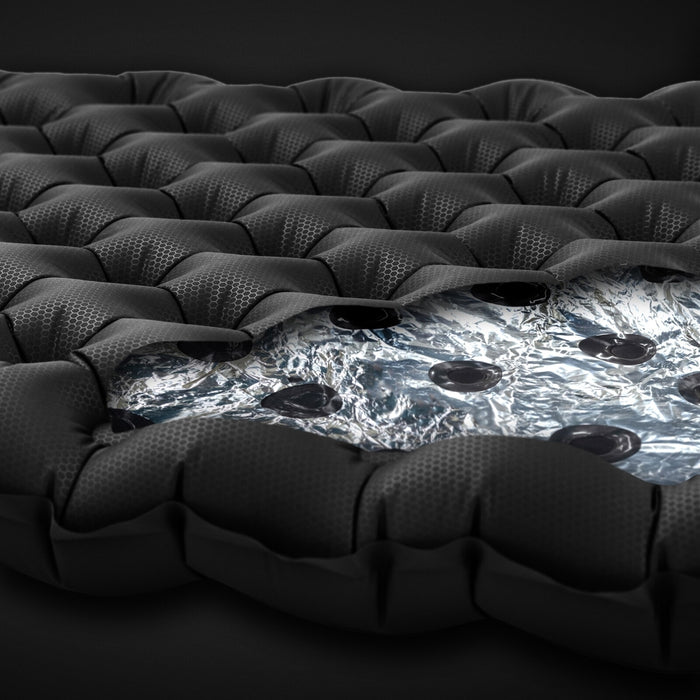
Mylar Foil
Mylar is a popular insulation choice for ultralight camp mattresses, but unlike other ultralight mattresses that are crinkly, loud, and provide insufficient warmth, our mattress's mylar layers “float” within to quietly reflect heat and deliver EN/ISO-matched warmth.
-
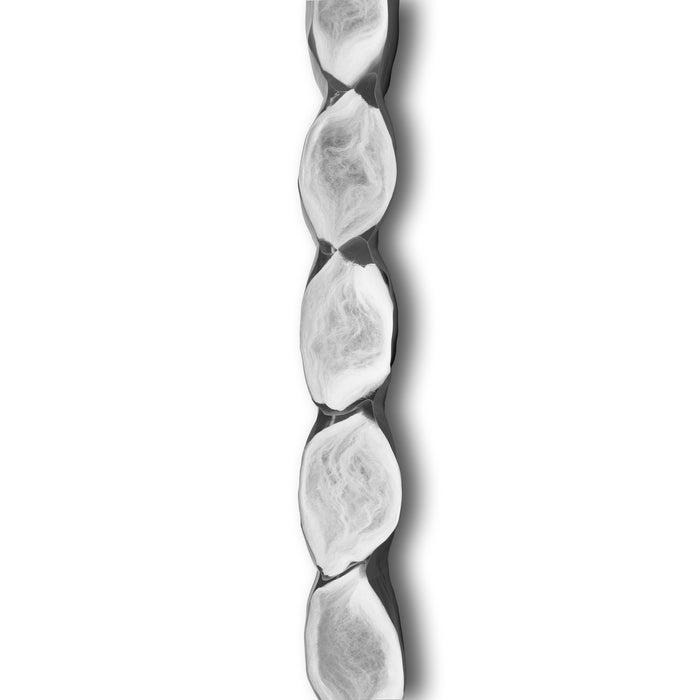
3D XD Synthetic
200g of fully-baffled insulation is considered excessive when compared to most air mattresses but actually, it's the minimum required to achieve R4.5+ warmth for EN/ISO-matched performance from your sleeping bag.
-
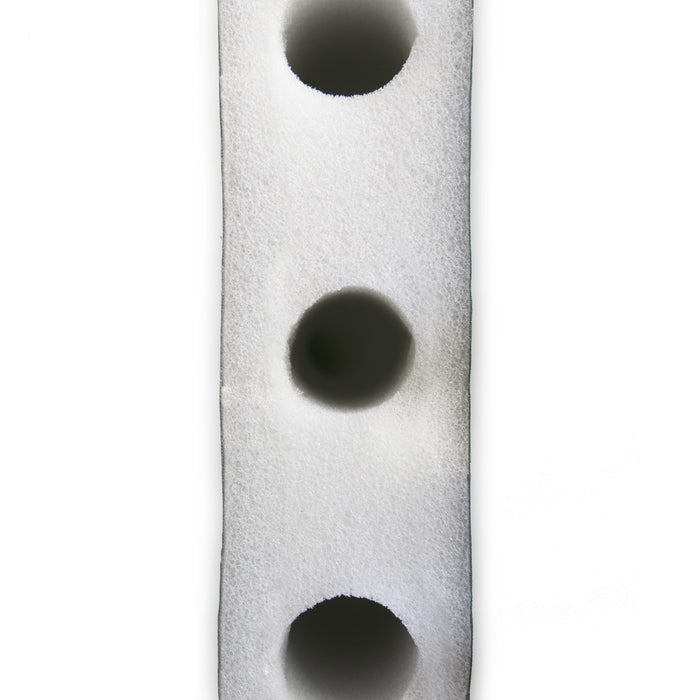
Horizontally-Cored Urethane Foam
Horizontally-cored foam eliminates the cold spots found on most vertically-cored mattresses and delivers R4.5+ warmth for EN/ISO-matched performance.
-
Urethane Foam
The non-cored urethane foam insulation in the Base Mattress delivers R4.5+ warmth for EN/ISO-matched performance.

What is R-value?
R-value is a measure to quantify insulation's ability to resist heat. In other words, it's a measure of thermal resistance. The higher the R-value, the greater the thermal resistance and the better it will keep you insulated from the ground below.
All Zenbivy mattresses deliver R4.5+ for EN/ISO-matched performance.