Hi there! I'm Scribe, a long-distance hiker with over 6700 miles of backcountry backpacking experience. The wild places of our planet bring me joy and peace in ways that I haven't felt from anything else, and not only do I want to experience that as much as possible, but I also want to protect them. It has been shown in numerous studies and stated by organizations including the Intergovernmental Panel on Climate Change (IPCC), the United Nations Environment Program, the World Wildlife Fund, Greenpeace, the Nature Conservancy, the World Resources Institute, the EAT-Lancet Commission and many more that one of the best ways to reduce your individual impact on the environment is to reduce your consumption of animal products, so in 2016, I eliminated all animal products from my diet.

Eventually, I eliminated animal products as best I could from all aspects of my life, not just what was on my plate. As I got into backpacking, I found that certain animal products, like leather, down, and wool, were used without question in many types of gear. I found that I could avoid leather and wool, but I struggled to find a high-quality, lightweight alternative to down for my sleeping bag and warm jacket. When I went on my first few backpacking trips, I used second-hand gear so that I could at least not be supporting animal exploitation directly, but I still felt awful knowing that I was keeping warm with a byproduct of the meat industry (which has many animal welfare concerns and is a major contributor to environmental issues), or, worse, that the down may have been live-plucked, a rare but still occurring harvesting process where feathers are ripped from a live duck or goose. I had to find an alternative. There were a couple of synthetic options on the market, but they were significantly heavier and bulkier than I wanted to carry, and still expensive. Exasperated, I decided to make my own quilt. I ordered synthetic fill and the same ultralight fabric that the big companies were using, and put my sewing machine to the test. I hiked the entire 2650-mile Pacific Crest Trail with my homemade quilt, getting soaked in early-season sleet and buried in two feet of snow in northern Washington. While its construction wasn't the prettiest, I was so pleased with my synthetic quilt's performance that I couldn't understand why most people didn't consider it an option for backpacking.

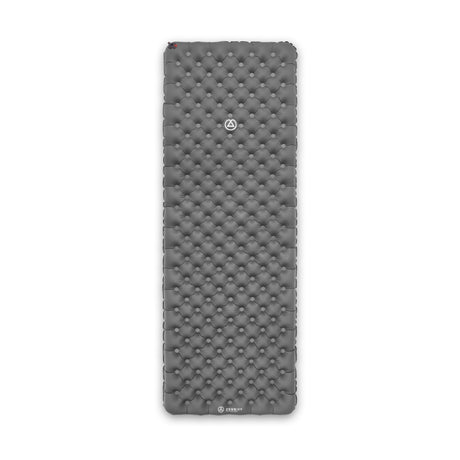
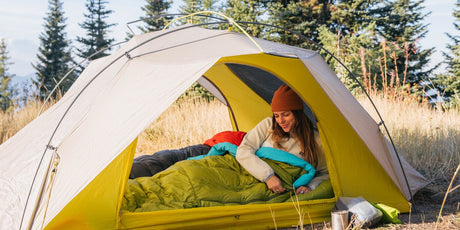
When I was planning for my thru hike of the 3100-mile Continental Divide Trail in 2023, I began looking again for commercial synthetic options. My homemade quilt's shoddy construction was showing significant wear and tear at this point, and I didn't trust it to survive another long trek. I found Zenbivy's synthetic bed and saw that they happened to be taking applications for sponsorships. I applied on a whim, curious to try their products but thinking I didn't stand a chance. Much to my surprise, I was awarded the sponsorship, and several weeks later, received their synthetic bed in the mail. It was dreamy- soft, warm, durable, a unique design that I was excited to try- but still heavier than I really wanted to carry. Then, to my surprise, they sent another quilt: an ultralight synthetic prototype, something not yet available to the public. I was over the moon. That quilt kept me comfortable on the CDT, from the constant rain of the Bob Marshall Wilderness in Montana to the 16° nights in the Gila River Wilderness in New Mexico, and still looks as good as it did the day I received it. Their bed design is so easy to use and makes such a massive difference in warmth that I find myself recommending them to everyone who will listen.

When Zenbivy reached out this past September to announce that they were introducing a new ultralight synthetic bed as part of their product line, I was stoked. There are other synthetic options out there, but Zenbivy's design makes it stand out above the rest. The way the bed clips together has kept me cozy on even the coldest nights, and I love that it can be worn as a cloak around camp. It is wonderful to see companies stepping away from the status quo, trying something different, and giving customers more sustainable, ethical options, and I'm so glad to have been part of this journey with Zenbivy.
-Scribe